Understanding Digital Wallets
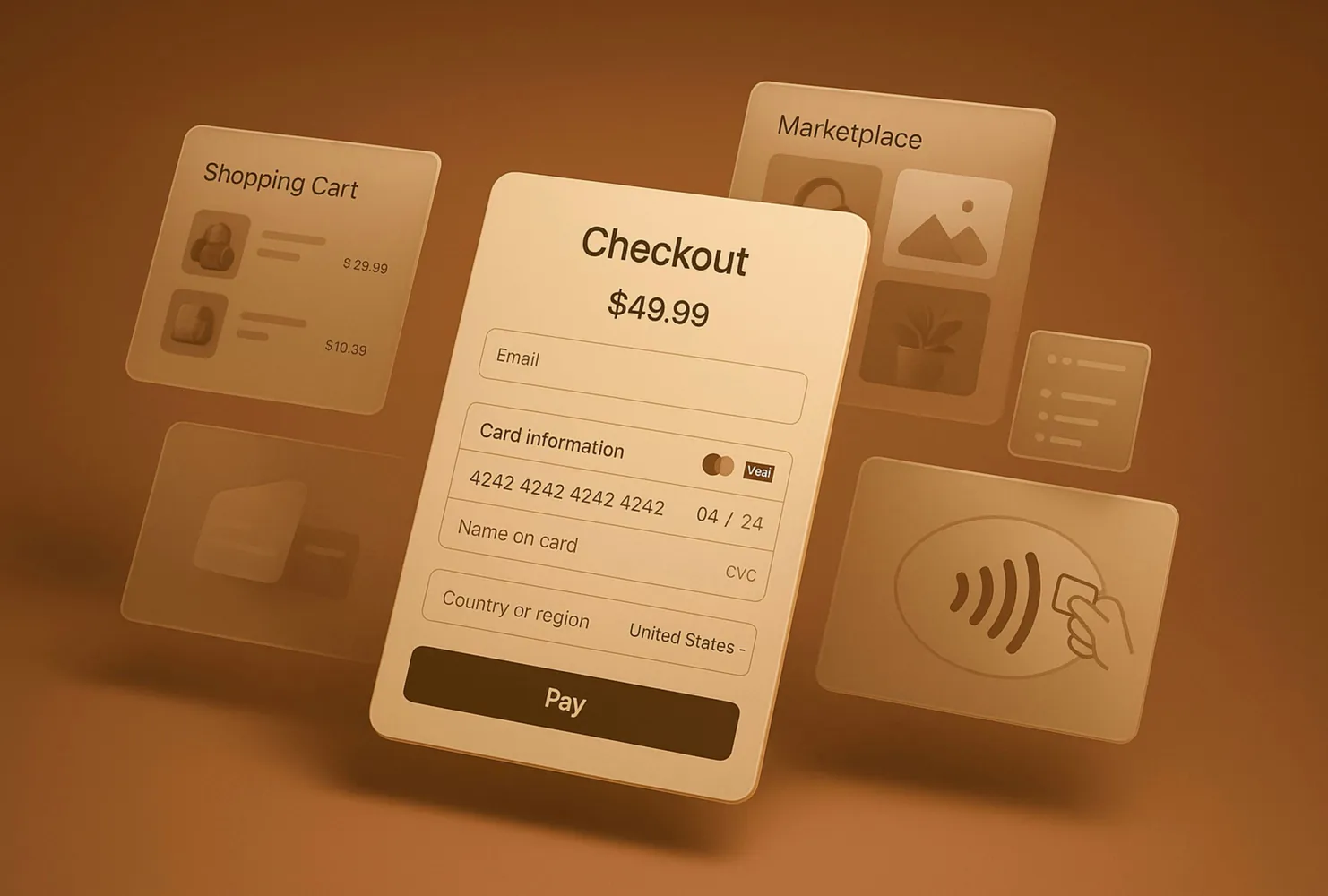
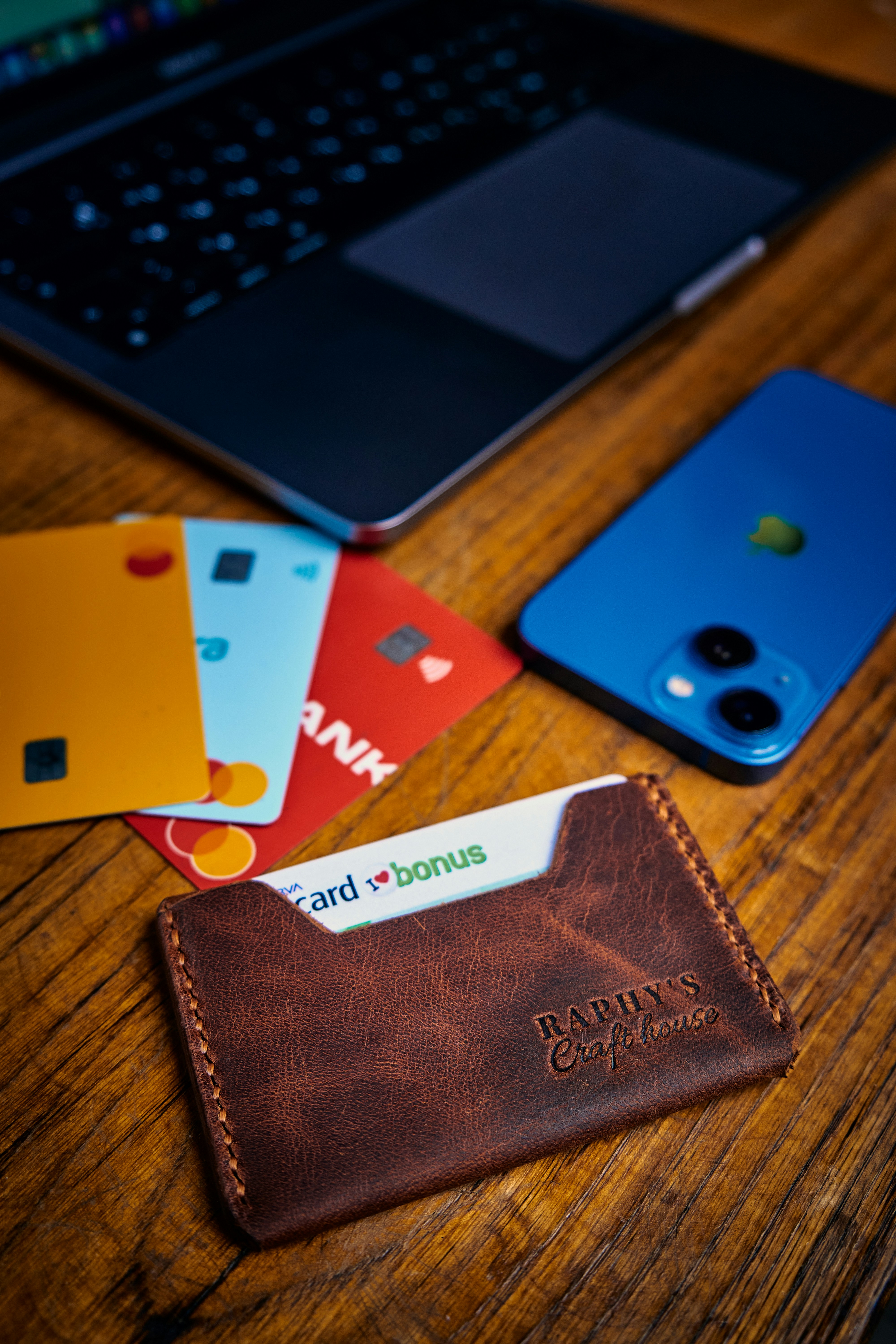
In recent years, digital wallets have transformed the way we manage finances by allowing consumers to perform financial transactions conveniently through their smartphones or computers. Unlike traditional wallets that contain cash and physical cards, digital wallets store payment information securely online. They can be used for various transactions, including online shopping, peer-to-peer transfers, and in-store purchases using NFC technology.
Examples of popular digital wallets include Apple Pay, Google Wallet, Samsung Pay, and PayPal. Each of these options offers unique features but fundamentally provides a secure platform to make payments without needing cash or card present.
The Benefits of Integrating Digital Wallets
Convenience and Accessibility
One of the primary advantages of digital wallets is their convenience. By integrating a digital wallet into your financial routine, you can access your funds anytime and anywhere, provided you have an internet connection. This accessibility allows you to make payments at retail stores, pay bills, or transfer money on-the-go, eliminating the need to carry cash or multiple cards.
Enhanced Security
Security is a paramount concern for many consumers. Digital wallets offer enhanced security features such as biometric authentication (e.g., fingerprint or facial recognition), encryption, and tokenization. These features protect your personal and financial information from unauthorized access. For instance, tokenization replaces sensitive card information with a unique identifier, reducing the risk of data breaches.
Streamlined Transactions
Digital wallets simplify the transaction process by allowing you to store multiple cards and accounts in one place. Instead of searching for the right card in a physical wallet, you can select your payment method with a few taps on your device. Additionally, digital wallets often integrate with loyalty programs and rewards, making it easier to earn points or discounts on your purchases.
Setting Up Your Digital Wallet
Selecting the Right Digital Wallet
Your first step is to choose a digital wallet that aligns with your needs and existing technology ecosystem. Consider compatibility with your devices (iOS or Android), the availability of merchant partners, and any associated fees. While some digital wallets are free to use, others may charge transaction fees, especially for currency conversion or certain payment methods.
- Apple Pay: Ideal for users deeply integrated into the Apple ecosystem. It works seamlessly with iPhones, iPads, and Apple Watches.
- Google Wallet: Suitable for Android users. It supports both NFC payments and online transactions.
- PayPal: Widely accepted online and increasingly in-store. Offers buyer protection features and easy integration with e-commerce platforms.
Adding Payment Methods
After selecting a digital wallet, the next step is to add your payment methods. Most digital wallets allow you to link credit cards, debit cards, and sometimes bank accounts. Simply follow the app’s prompts to input card details or scan your card using your smartphone camera for faster setup.
Setting Up Security Features
To ensure maximum security, enable all available security measures provided by your digital wallet. This may include setting up biometric authentication or creating a strong password. Regularly updating your software ensures you benefit from the latest security patches.
Integrating Digital Wallets into Your Financial Routine
Creating a Routine for Usage
To fully benefit from digital wallets, integrate them into your daily financial activities. Start by identifying frequent transactions that could be streamlined with a digital wallet—for instance, grocery shopping, dining out, or commuting expenses. Over time, you may find it convenient to pay regular bills like utilities or subscription services through your digital wallet as well.
Utilizing Budgeting Tools
Many digital wallets offer insights into spending patterns by categorizing transactions automatically. Leverage these tools to track expenses and adjust your budget accordingly. You might find opportunities to cut unnecessary spending or better allocate resources toward savings goals.
Maintaining Financial Discipline
While digital wallets offer ease of use, they also require discipline to prevent overspending. Establish limits for certain categories within your wallet’s budget tracker or set reminders for when payments are due to avoid late fees. Regularly review your transaction history to monitor your financial health.
Troubleshooting Common Issues
Inevitably, you may encounter issues such as declined transactions or trouble adding new payment methods. To resolve these issues:
- Ensure that your app and device are updated to the latest version.
- Check network connectivity if experiencing delays during transactions.
- Verify payment method details if a card is declined.
If problems persist, contact customer support for assistance or consult community forums where other users share solutions for similar issues.
The Future of Digital Wallets
The growth trajectory of digital wallets indicates that they will continue playing a crucial role in personal finance management. Innovations such as incorporating cryptocurrencies or integrating with smart home devices are just around the corner. As technology evolves, so too will the capabilities of digital wallets—offering even more sophisticated tools for managing and securing your finances.
In conclusion, adopting a digital wallet not only simplifies day-to-day transactions but also enhances financial security and efficiency. By following this guide, you can integrate digital wallets seamlessly into your routine, ensuring you maximize their benefits while maintaining control over your financial health.