
Understanding the 30-30-30-10 Rule
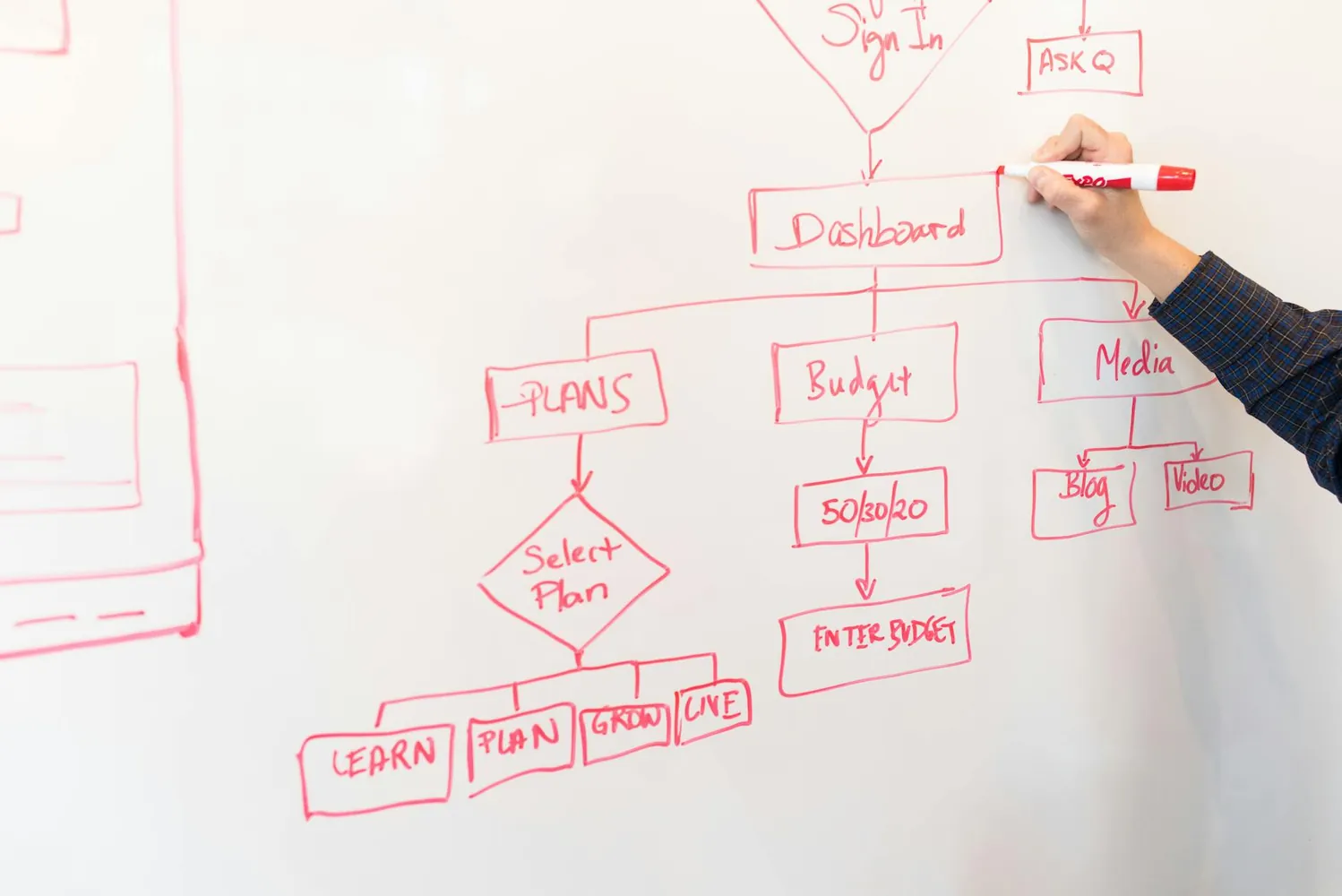
In the world of personal finance, having a strategy is crucial to successfully saving for significant expenses such as a down payment on a house. The 30-30-30-10 rule offers a structured way to allocate your income into manageable categories, making it easier to save without sacrificing your everyday needs. This method breaks down your monthly income into four key segments: essentials, savings for a down payment, investments, and personal spending.
The simplicity of the 30-30-30-10 rule lies in its straightforward allocation: 30% of your income goes towards essentials, another 30% is saved specifically for your down payment, the third 30% is reserved for investments (such as retirement funds or stock portfolios), and the final 10% is left for personal spending.
Applying the Rule: A Step-by-Step Guide
Let's explore how you can apply this rule in real life by taking a deeper dive into each category.
1. Essentials (30%)
Your essentials include all necessary living expenses such as rent, utilities, groceries, transportation, insurance premiums, and healthcare costs. The aim is to keep these expenses within 30% of your income. For example, if your monthly income is $5,000, you should aim to spend no more than $1,500 on essentials. If this seems challenging, consider strategies like downsizing your living space, using public transport, or buying groceries in bulk to save money.
2. Down Payment Savings (30%)
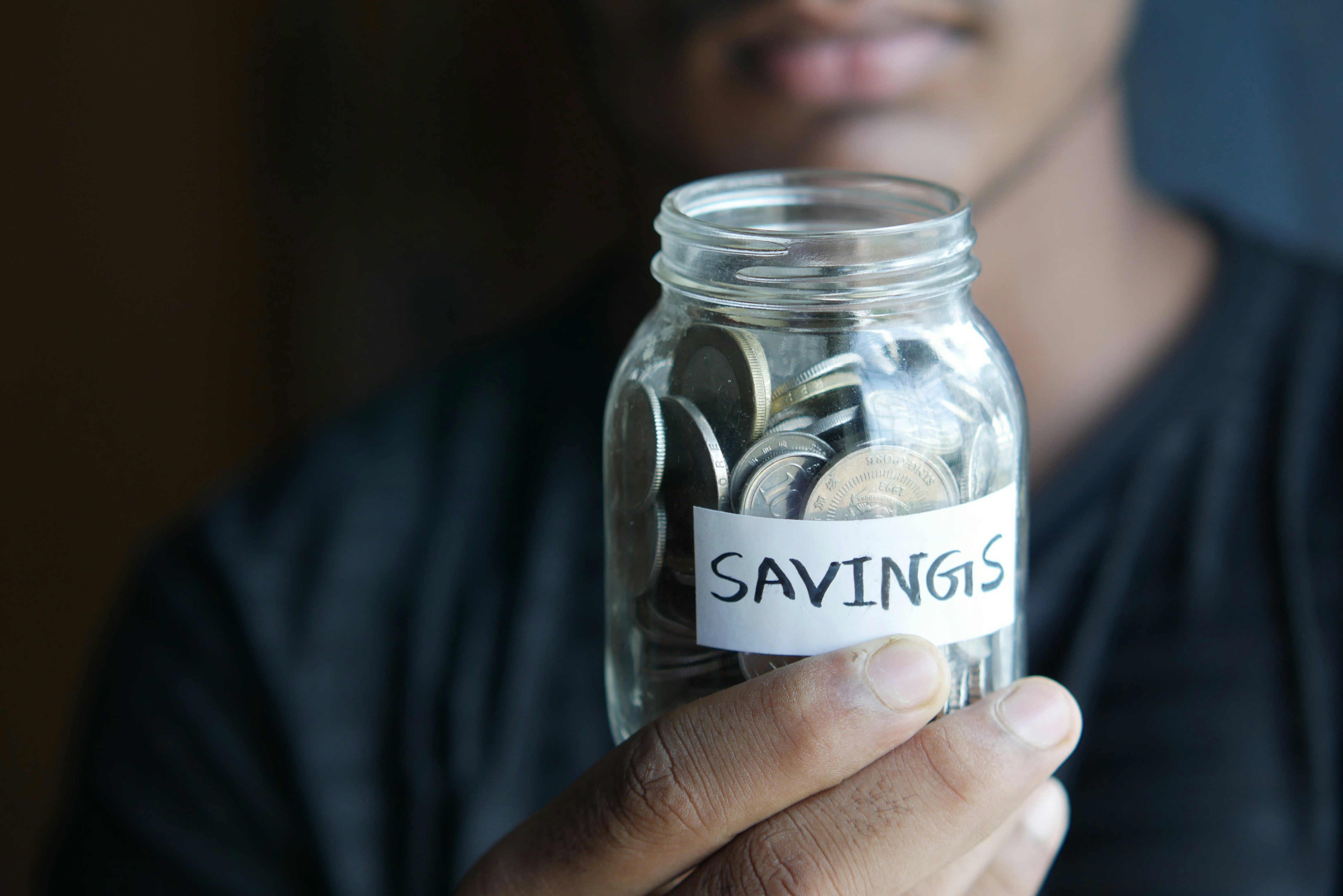
Next, dedicate another 30% of your income directly to your down payment fund. Using our previous example, this means saving $1,500 monthly. To effectively do this, open a separate high-yield savings account specifically for your down payment. This not only helps in accruing interest but also psychologically separates these funds from regular expenses.
For those struggling with lower incomes, consider supplementing your savings by picking up side jobs or freelancing opportunities that can add to this fund without disrupting other budget areas.
3. Investments (30%)
This portion is dedicated to growing your wealth through various investment channels. Whether you're contributing to a 401(k), IRA, or investing in stocks and bonds, it's vital to treat this as a non-negotiable expense. In our example scenario with a $5,000 income, invest $1,500 per month.
If you're new to investing, start small. Use tools like index funds or robo-advisors that manage a diversified portfolio for you at low fees. Consistent investing ensures future financial security beyond the immediate goal of a home down payment.
4. Personal Spending (10%)
The final 10%—$500 if you're working with a $5,000 monthly income—can be used for entertainment, dining out, hobbies, and other personal expenses. While it might seem limited, this cap encourages creative spending and prioritizes experiences that truly add value to your life.
Adapting the Rule for Varying Income Levels
Income levels vary widely among individuals, and so too can the application of the 30-30-30-10 rule. Let’s consider a couple of scenarios:
Case Study: Lower Income Scenario
Jane earns $3,000 a month working full-time at a retail store. She adjusts her budget by living with roommates to cut rental costs and opts for public transportation. Jane finds side gigs online that increase her income by $500 monthly. By effectively managing her essentials within $900 (30% of her base salary), she is able to allocate $1,050 (35% when including side gigs) towards her down payment savings and investments while maintaining modest personal spending.
Case Study: Higher Income Scenario
John is an engineer earning $8,000 per month. With a higher disposable income, he focuses on maximizing his savings and investment potential. John lives modestly by choice; his essential expenses remain well within the 30% threshold at $2,400 monthly. He aggressively saves for his down payment at $2,400 and invests another $2,400 monthly. His personal spending remains at $800 but allows him flexibility in pursuing leisure activities or spontaneous travel without financial stress.
Strategies to Maximize Down Payment Savings
- Automatic Transfers: Set up automatic transfers from your checking to your savings account to ensure consistency in reaching your savings target.
- Employer Matching: If possible, allocate bonuses or employer matching contributions directly towards your down payment fund.
- Cost-cutting Measures: Review subscription services or recurring charges you might not be fully utilizing and channel those funds into savings instead.
In conclusion, the 30-30-30-10 budgeting strategy provides a clear framework for managing finances with an emphasis on saving towards a significant goal such as a home down payment. By tailoring this approach to fit varying income levels and taking advantage of additional saving strategies, you can effectively navigate financial challenges and work towards securing your future home.