Why an Emergency Fund Matters
In today's unpredictable world, having an emergency fund is not just wise—it's essential. An emergency fund acts as a financial buffer that can keep you afloat during unforeseen circumstances such as medical emergencies, unexpected car repairs, or sudden unemployment. Building this fund might seem daunting, but with a structured approach, it's achievable.
The 60-Day Savings Challenge: An Overview
The 60-Day Savings Challenge is designed to kickstart your journey towards building a solid emergency fund. Over the next two months, you'll engage in daily and weekly tasks aimed at saving money incrementally and sustainably. This approach not only helps in accumulating savings but also builds a habit of financial discipline.
Setting Your Savings Goal
Before starting the challenge, it's crucial to set a realistic goal for your emergency fund. Experts suggest having three to six months' worth of living expenses saved. To tailor this challenge, assess your current financial situation and determine a target amount you aim to save within the 60 days.
Creating Daily Savings Habits
Daily habits form the foundation of this savings challenge. By incorporating small changes into your daily routine, you can make significant progress toward your goal.
- Track Your Expenses: Begin by monitoring your daily expenditures. Use a journal or a budgeting app to categorize your spending and identify areas where you can cut back.
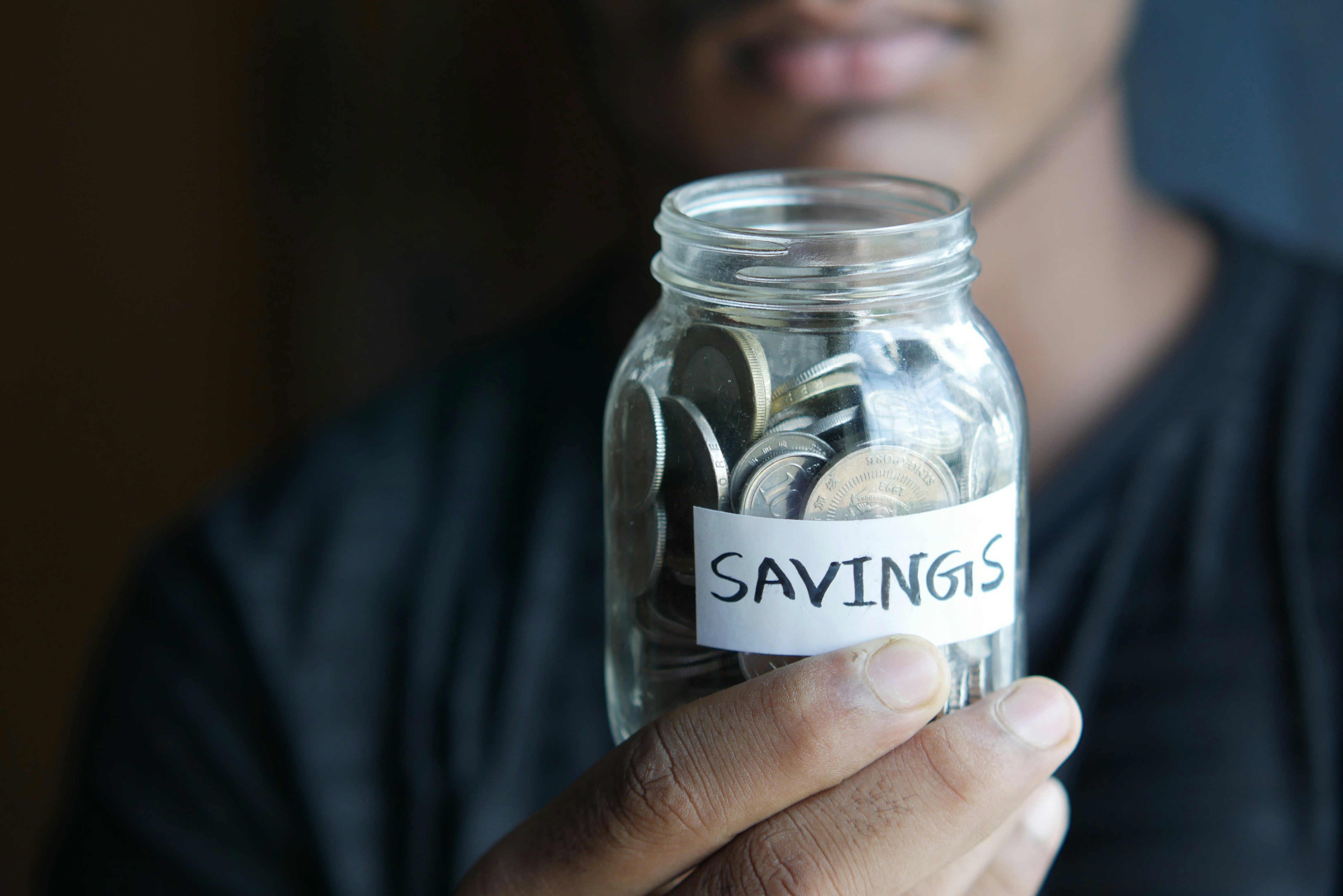
- Save the Change: Adopt a 'save the change' approach where any spare change from daily transactions is saved. If you're using cards, round up transactions and transfer the difference to your savings.
- No-Spend Days: Designate specific days of the week as 'no-spend days,' focusing on zero discretionary spending.
Weekly Accountability and Adjustments
A vital component of this framework is weekly reviews. These sessions help you stay accountable and make necessary adjustments.
Conducting Weekly Reviews
Every week, spend time reviewing your progress. Analyze what worked well and what didn't. Make it a family affair or involve a friend to increase accountability.
- Review Expenditures: Look at where your money went over the week and compare it with your budget.
- Adjust Goals: Based on the week's results, adjust your savings goals if necessary.
Incorporating Lifestyle Changes
Sustainable lifestyle adjustments are key to building an emergency fund without feeling deprived.
- Cook at Home: Reduce dining out by planning meals and cooking at home more frequently.
- Smart Subscriptions: Review your subscriptions and cancel those that are non-essential.
Tracking Your Progress
Effective tracking methods enhance motivation and provide clarity on your journey.
Use a Savings Tracker
Create a visual savings tracker that you can update daily or weekly. This could be a simple chart or use digital tools like Excel or Google Sheets for more detailed tracking.
Technology Tools
Leverage apps designed for saving money. Many offer features that help track progress and provide insights into spending habits.
Celebrating Milestones
While building an emergency fund is serious work, celebrating milestones can provide motivational boosts.
- Set Mini-Goals: Break down your 60-day goal into smaller, manageable targets. Celebrate each milestone with a small reward that doesn’t derail your progress.
Adapting the Framework to Your Needs
This framework is flexible. Tailor it according to your lifestyle and financial situation. The key is consistency and commitment.
- Personalize Strategies: Not every tip will work for everyone; choose what best fits your lifestyle.
The Path Forward
The completion of this 60-day challenge is only the beginning. Continue these practices to not just maintain, but grow your emergency fund further.