Understanding the Basics of Budgeting
Effective budgeting is essential for financial stability and growth. It allows you to track your spending, allocate funds appropriately, and ensure you have enough saved for future needs. This article outlines three popular budgeting methods that cater to different financial styles: zero-based budgeting, the 50/30/20 rule, and the cash envelope system.
Zero-Based Budgeting: Starting from Scratch
Zero-based budgeting is a technique where every dollar you earn is assigned a specific purpose. Unlike traditional budgets that focus on categorizing existing expenses, zero-based budgeting starts from zero each month, forcing you to justify each expense. This method ensures you are consciously managing your resources and helps in identifying unnecessary expenditures.
Implementing Zero-Based Budgeting
- Calculate your monthly income: Include all sources of income, such as salary, freelance work, and rental properties.
- List all expenses: Document every category you spend on, including fixed costs like rent/mortgage, utilities, groceries, and transportation.
- Assign a role to each dollar: Ensure every dollar has a job, whether it's allocated to bills, savings, or discretionary spending. The goal is to ensure your income minus expenses equals zero.
- Track and adjust: Use budgeting tools or spreadsheets to track actual expenses against your budgeted amounts. Make adjustments as needed to stay on track.
By justifying each dollar spent, you can gain a better understanding of your financial habits and make more informed decisions.
The 50/30/20 Rule: A Balanced Approach
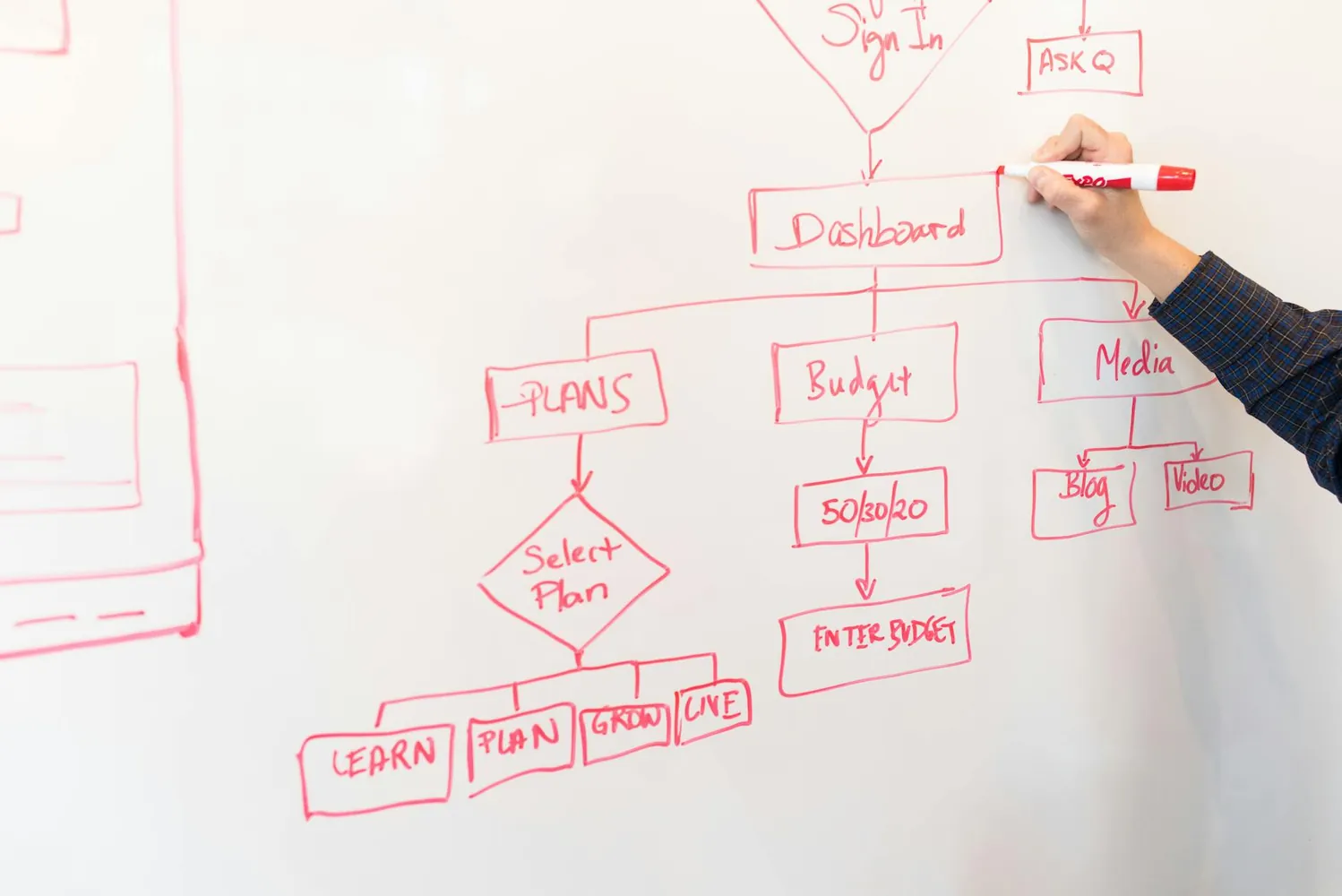
The 50/30/20 rule offers a simple framework for budget allocation. It divides after-tax income into three categories:
- 50% Needs: Essentials such as housing, food, transportation, and healthcare.
- 30% Wants: Non-essential expenditures including dining out, entertainment, and vacations.
- 20% Savings/Debt Repayment: Includes retirement savings, emergency funds, or paying off debt.
Applying the 50/30/20 Rule
This rule is straightforward but requires discipline to categorize your expenses accurately. Here's a step-by-step process:
- Determine your monthly net income: After taxes and deductions.
- Allocate percentages: Divide this income according to the 50/30/20 rule into needs, wants, and savings/debt repayment.
- Categorize expenses: List out your monthly spending and categorize them into needs and wants.
- Regular reviews: Periodically review your allocations to ensure they align with your financial goals.
The simplicity of this method makes it accessible for beginners while providing a balanced approach to saving and spending.
The Cash Envelope System: Tangible Spending Control
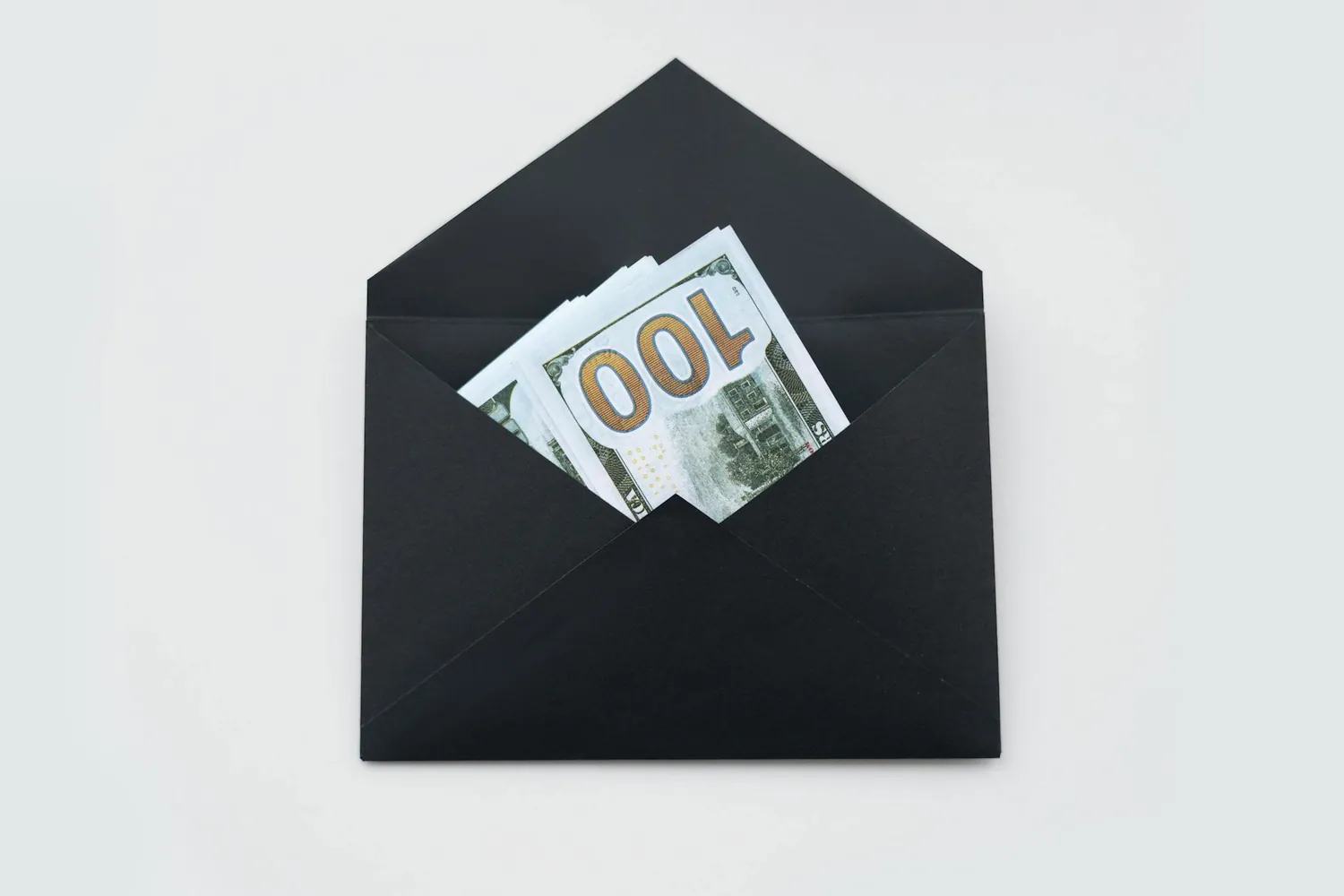
The cash envelope system takes budgeting to a tactile level by using physical cash for spending categories. This method involves creating envelopes for different spending categories like groceries, dining out, and entertainment. By paying with cash rather than cards, you become more aware of your spending habits.
Setting Up the Cash Envelope System
- Identify spending categories: Choose categories where overspending is common.
- Create envelopes: Label each envelope with its category name and allocate a budgeted amount of cash for the month.
- Use only the cash available: When the cash in an envelope runs out, no more spending in that category should occur until the next period.
Benefits and Challenges
The tangible nature of cash helps many people visualize their spending limits more clearly than digital transactions do. However, it requires discipline to stick with it and carry cash instead of relying on credit or debit cards.
Combining Methods for Greater Success
No single budgeting method fits everyone's needs perfectly. Many people find success by combining aspects of these approaches. For instance, using the zero-based budgeting mindset within the cash envelope system can enhance control over discretionary spending. Similarly, adhering to the 50/30/20 rule for broader budgeting while using envelopes for specific categories can provide structure with flexibility.
Practical Scenarios for Everyday Life
Consider Jane, who combines these strategies. She uses zero-based budgeting for her overall finances but applies the cash envelope system for dining and entertainment expenses. This hybrid approach enables her to control variable spending while maintaining a comprehensive financial overview.
An example workflow Jane might use includes:
- Monthly Planning: Each month starts with assigning every dollar using zero-based principles.
- Envelope Allocation: Jane allocates cash into her dining and entertainment envelopes based on her budget planning.
- Tracking Progress: As she spends from her envelopes throughout the month, Jane adjusts her zero-based budget accordingly to reflect actual usage.
Tips for Effective Budgeting
- Start small: If you're new to budgeting, begin with a simple method like the 50/30/20 rule before tackling more detailed systems.
- Consistency is key: Regular reviews of your budget can help maintain accuracy and motivate continued savings behavior.
- Customize your approach: Feel free to adapt these methods to better fit your lifestyle and financial goals.
Conclusion: A Pathway to Financial Growth
The choice of budgeting method depends on personal preference and financial objectives. Whether you choose zero-based budgeting for its precision, the 50/30/20 rule for its simplicity, or the cash envelope system for its tangibility, consistency and adaptation to personal circumstances are crucial for success. By applying these methods thoughtfully, you can improve your financial management skills and set yourself on a path toward financial independence and growth.