
The Basics of the Cash Envelope System
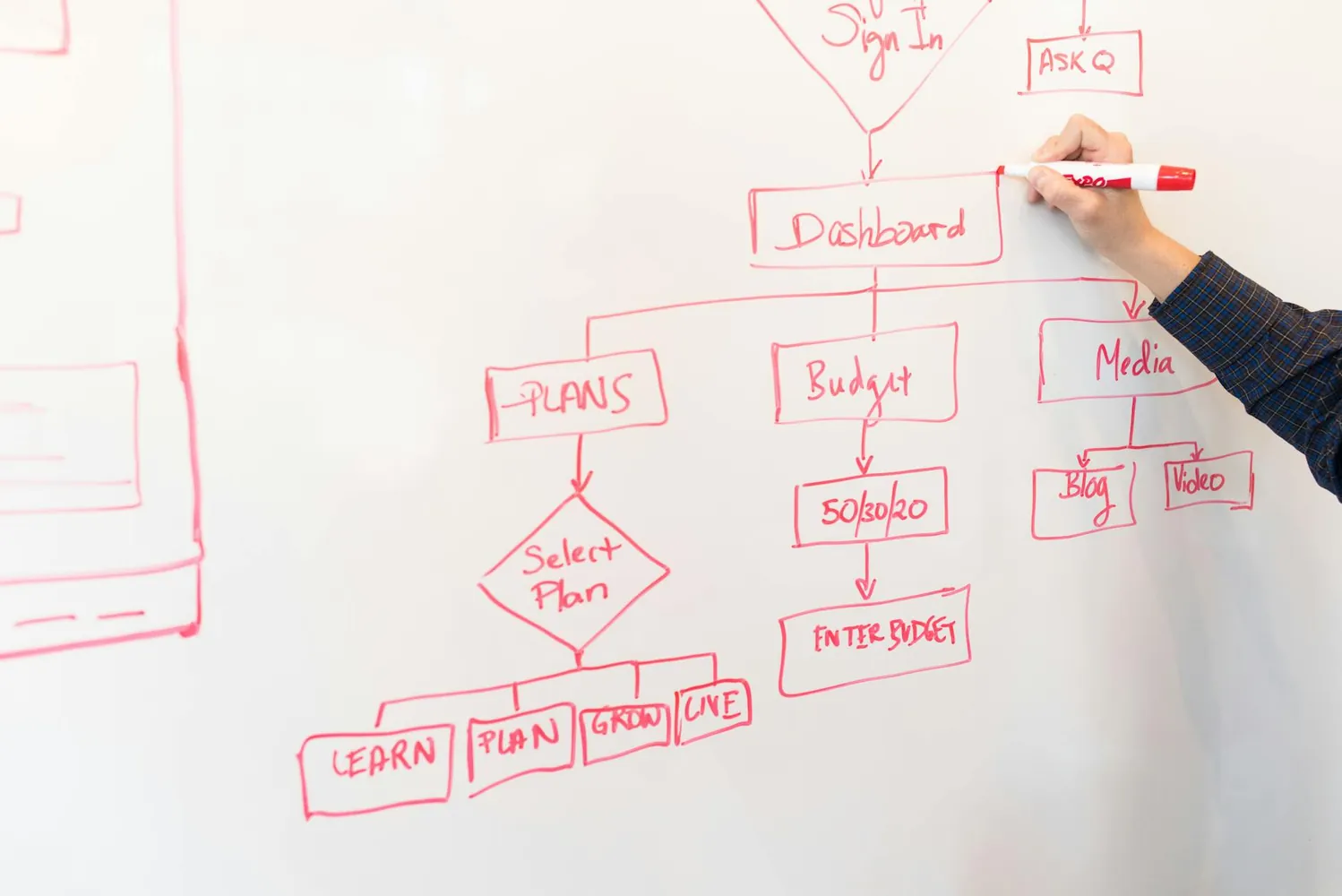
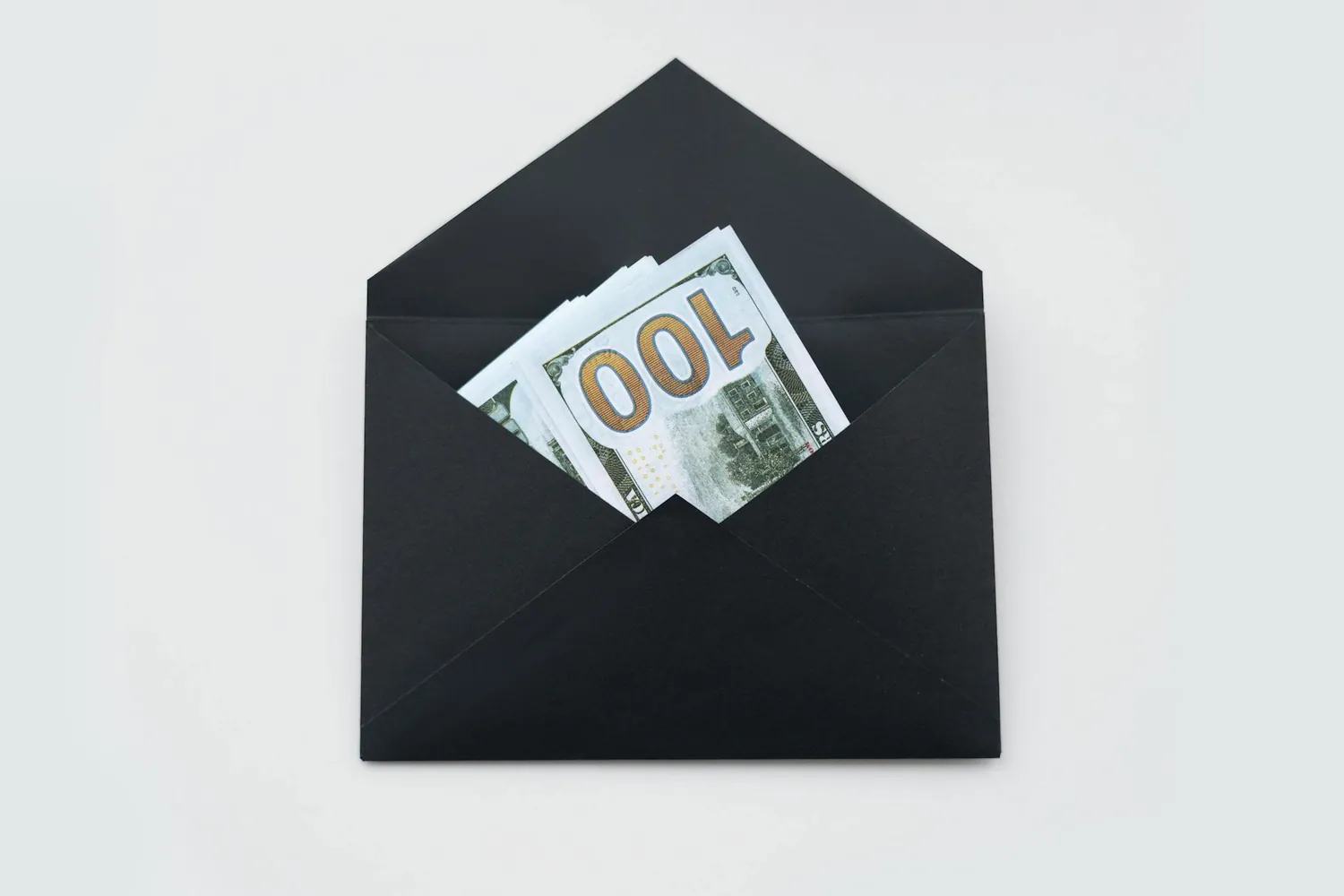
The cash envelope system is a time-tested budgeting method that emphasizes the use of physical currency to manage spending. This approach involves allocating cash into various envelopes, each representing a specific spending category such as groceries, entertainment, or utilities.
How the Cash Envelope System Works
To implement this system, one would begin by listing all monthly expenses and determining budget limits for each category. Each envelope is then filled with the allotted amount of cash at the beginning of the budgeting period, typically a month. When it's time to make a purchase, you take money from the corresponding envelope, and once it’s empty, no more spending in that category is permitted until the next cycle.
This system inherently limits overspending since you can only use what's physically available, making it particularly effective for those who struggle with discipline and tracking electronic transactions.
Pros of the Cash Envelope System
- Tangible Limits: The physical act of using cash enforces strict adherence to budget limits.
- Spending Awareness: Handling cash creates a stronger psychological connection to your spending habits.
- No Overdraft Fees: Since you cannot spend beyond what is in each envelope, there's no risk of overdrawing an account.
Cons of the Cash Envelope System
- Inconvenience: Carrying multiple envelopes can be cumbersome and less secure than digital alternatives.
- Lack of Flexibility: Sudden expenses may require reallocation across envelopes, which can be awkward.
- No Interest Earnings: Money stored as cash misses out on potential interest from bank accounts.
Understanding Digital Budgeting Applications
Digital budgeting applications have grown in popularity due to their convenience and comprehensive features. These tools range from simple expense trackers to sophisticated apps offering forecasting and financial advice.
Functionality of Digital Budgeting Apps
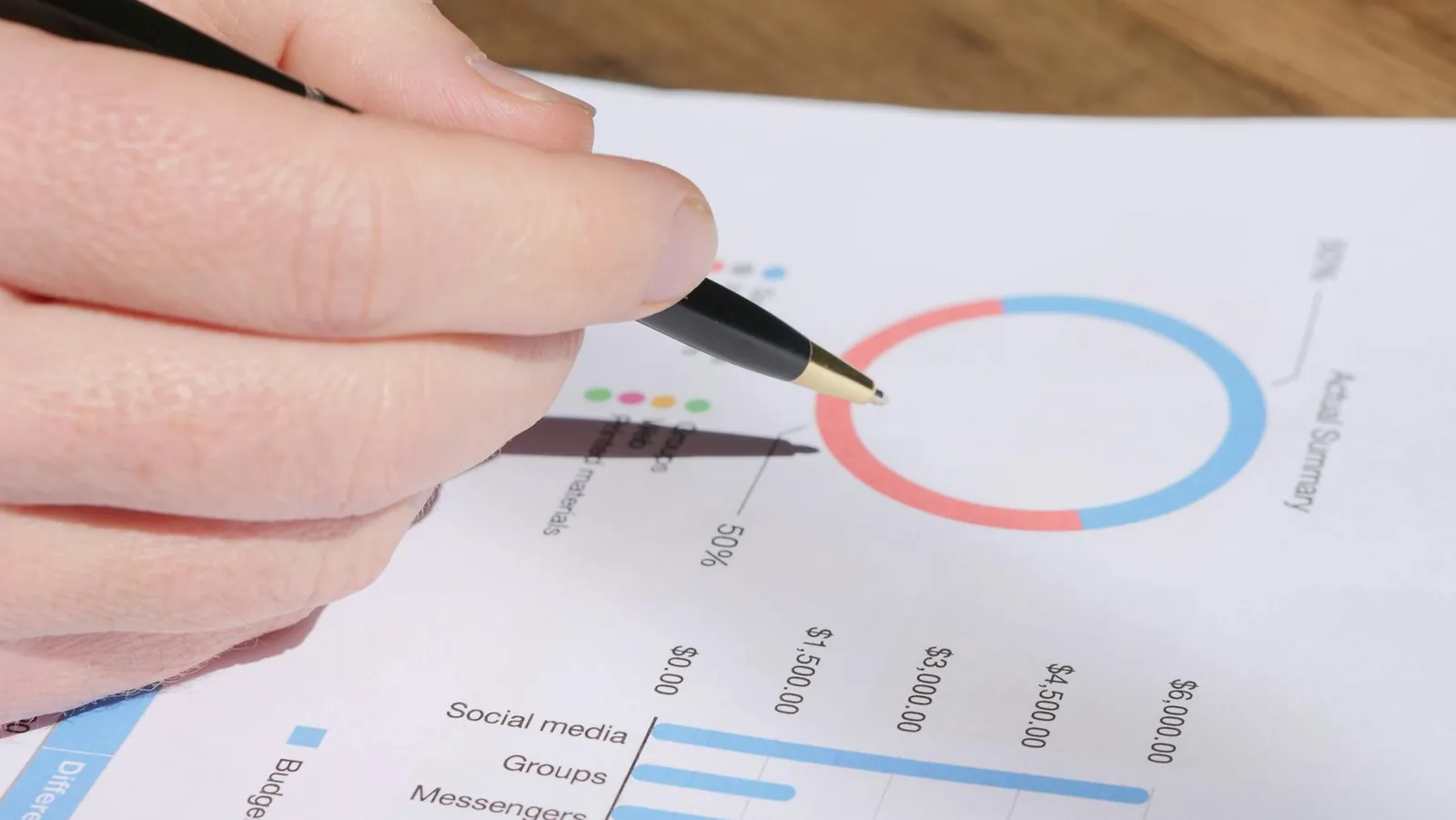
Most digital apps sync with bank accounts, automatically categorizing transactions to provide a real-time overview of your finances. They offer visual reports, alerts for upcoming bills, and even goal-setting features that help keep financial planning on track.
Some popular options include Mint, YNAB (You Need A Budget), and PocketGuard. These apps allow customization according to user preferences and provide insights into spending patterns over time.
Pros of Digital Budgeting Apps
- Convenience: Easily track and manage finances from anywhere using your smartphone or computer.
- Comprehensive Features: Real-time updates and analytics provide deeper insights into financial behavior.
- Security: With proper settings, digital platforms are secure and eliminate the need to carry cash.
Cons of Digital Budgeting Apps
- Dependence on Technology: Access relies on internet connectivity and functioning devices.
- Privacy Concerns: Sharing banking information with apps can pose security risks if not properly vetted.
- Poor Spending Discipline: Without tangible constraints, some users might find it easier to justify overspending.
Choosing the Right Method for You
The choice between physical and digital budgeting depends largely on personal financial habits and lifestyle. Here are some scenarios that might help guide your decision:
When to Choose the Cash Envelope System
- If you find digital screens overwhelming or prefer tangible systems that don’t rely on technology.
- If you're struggling with controlling discretionary spending, as this method offers clear limits.
When to Opt for Digital Budgeting Apps
- If you value comprehensive financial insights and flexibility in managing your budget.
- If you prefer convenience and don’t want to deal with the logistics of carrying cash.
Merging Both Systems for Optimal Results
An innovative approach is to combine both systems' strengths: maintain primary budgeting and tracking through an app while using cash envelopes for challenging categories like dining out or shopping. This hybrid method offers digital oversight while providing physical checks against impulse purchases.
Ultimately, the best budgeting technique is one that aligns with your goals, habits, and lifestyle. Regularly revisiting and adjusting your strategy will ensure it remains effective as your financial situation evolves.