
Understanding Emerging Economic Trends
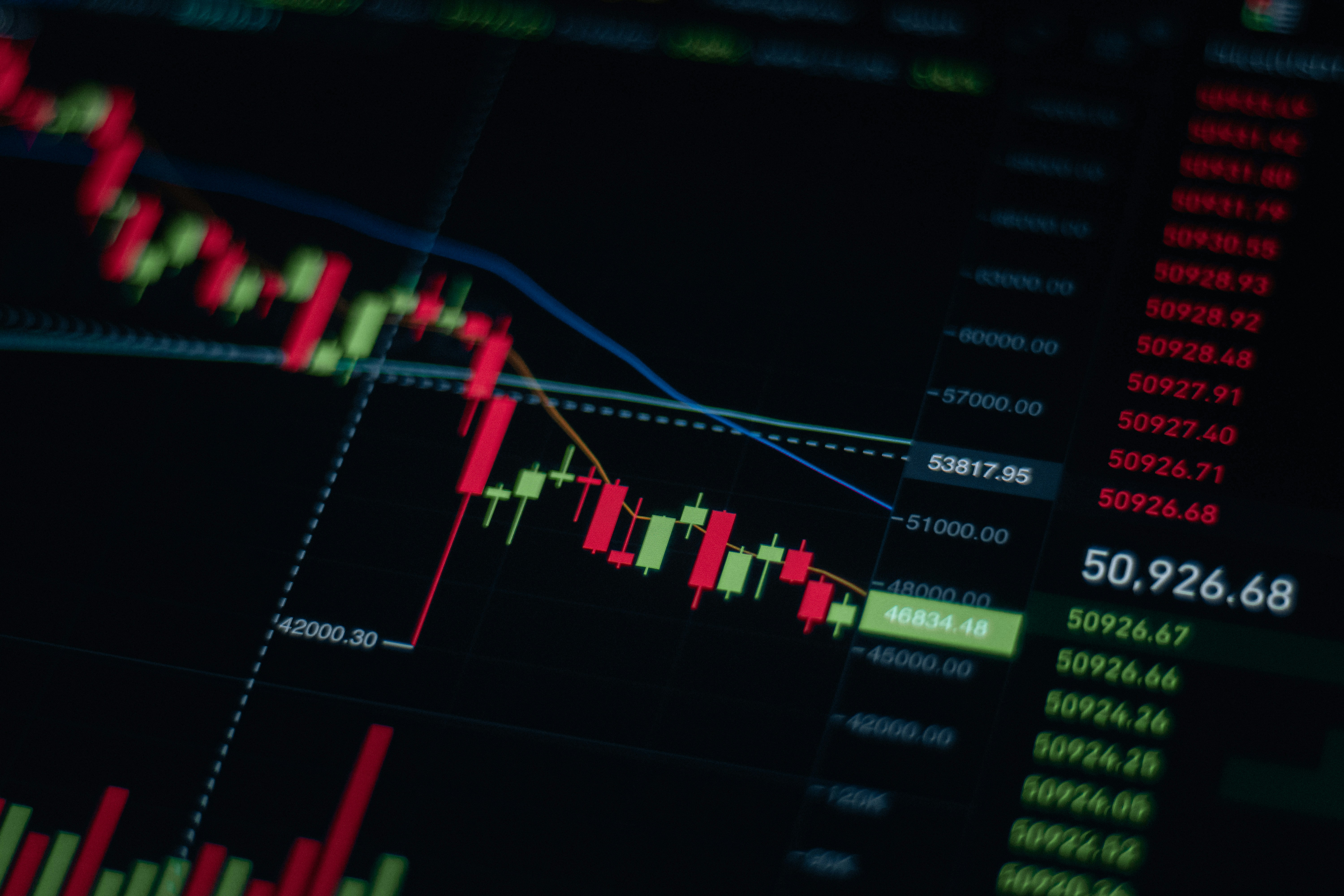
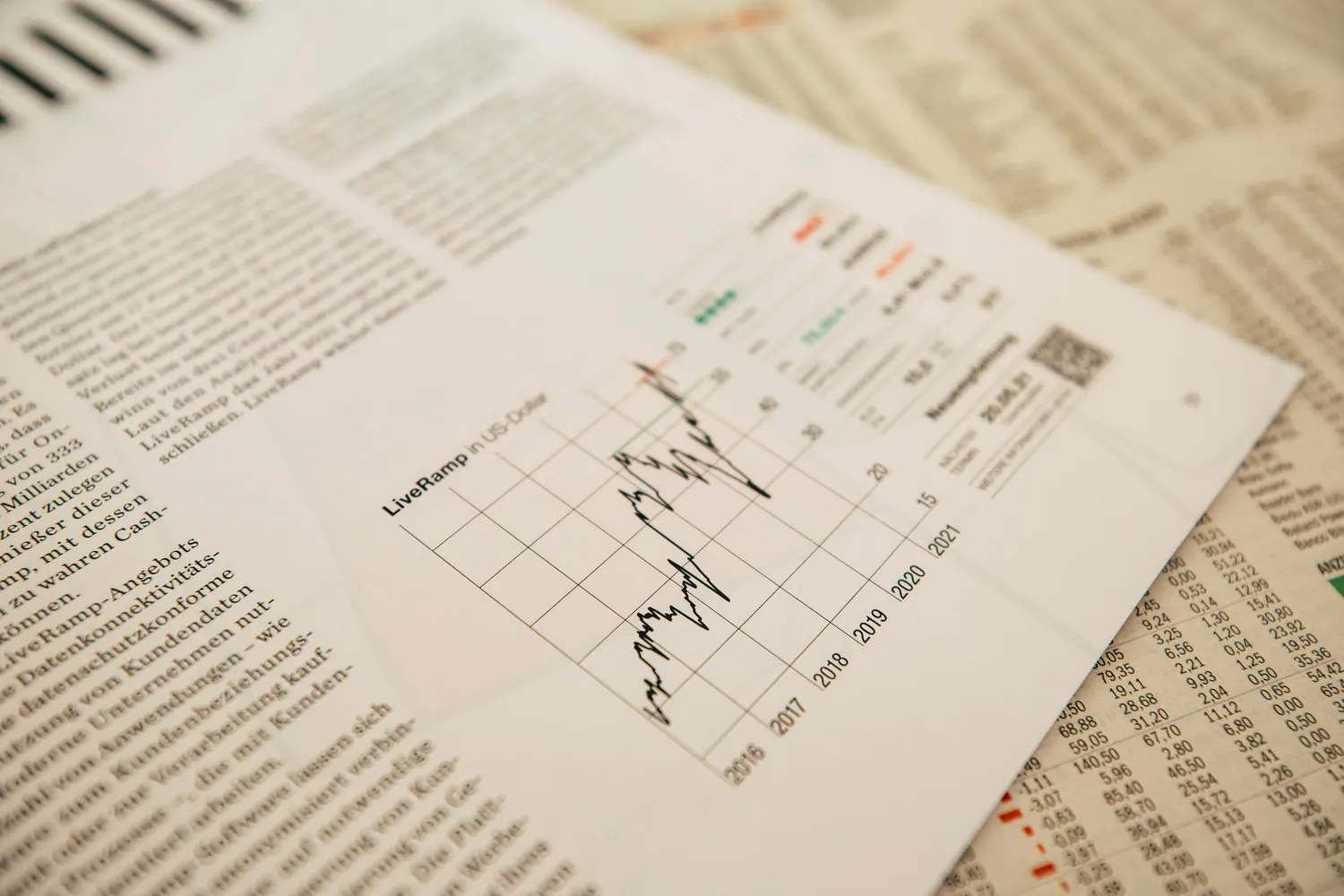
Investors who can accurately identify and capitalize on emerging economic trends often achieve superior returns. These trends can be driven by various factors, including technological innovation, demographic shifts, regulatory changes, and global economic developments. To effectively leverage these trends, investors must understand the underlying forces at play and their potential impact on markets.
Identifying Key Market Indicators
Successful investment strategy begins with the identification of key market indicators that signify emerging trends. Some important indicators include:
- GDP Growth Rates: Monitoring GDP growth rates in different regions can help identify economies that are expanding rapidly, offering attractive investment opportunities.
- Interest Rate Movements: Changes in interest rates can significantly impact economic activity and investment flows. A rising rate environment might indicate tightening monetary policy, which could influence certain sectors differently.
- Inflation Rates: High inflation can erode purchasing power but might also signal increased demand for certain commodities or sectors.
- Technological Advancements: Innovations such as artificial intelligence and renewable energy can create new industries or disrupt existing ones, presenting both risks and opportunities.
Analyzing Sector Performance
The performance of various sectors within the economy can provide insight into where to invest. Analyzing sector performance involves:
1. Comparative Analysis
Compare the historical and current performance of sectors using metrics like growth rate, profit margins, and return on equity. This comparison helps identify sectors that are outperforming or underperforming the broader market.
2. Consider Economic Cycles
Cyclical sectors such as consumer discretionary often outperform during economic expansions, while defensive sectors like utilities may do better in downturns. Understanding where the economy is in its cycle can guide sector allocation decisions.
3. Thematic Investment
Thematic investment focuses on long-term trends rather than short-term market movements. Themes like digital transformation or sustainable energy provide avenues for growth as they reshape industries.
Assessing Investor Sentiment
Investor sentiment is an essential consideration in strategic investing, as it reflects the collective mood of market participants, impacting asset prices. Here’s how to gauge sentiment:
1. Sentiment Indicators
Tools such as the VIX Index (a measure of market volatility) or investor surveys can provide insights into the current market mood.
2. Media Analysis
Monitor financial news and social media platforms for shifts in sentiment. Positive news coverage about a sector or company often precedes price increases.
3. Volume Trends
An increase in trading volume can signal changing investor sentiment. For example, rising volumes alongside price increases might indicate growing investor confidence.
A Practical Framework for Investment Strategy
To help investors strategically invest by analyzing emerging trends, we propose a mini-framework:
- Research and Data Gathering: Regularly gather data on GDP growth, interest rates, inflation, sector performance, and technological advancements. Use reliable sources like government reports, financial institutions, and industry publications.
- Trend Analysis: Identify potential emerging trends using data analytics tools and compare these against historical patterns to confirm their significance.
- Sector Allocation: Based on trend analysis, allocate resources to sectors poised for growth. Adjust allocations according to economic cycles and thematic opportunities.
- Diversification: Diversify investments across multiple sectors and geographies to mitigate risks associated with sector-specific downturns.
- Sentiment Monitoring: Continuously monitor sentiment indicators and adjust investment positions if market sentiment shifts significantly.
Case Study: Investing in Renewable Energy
An illustrative case of this approach is investing in renewable energy. In recent years, technological advancements and favorable government policies have driven growth in this sector:
- GDP Contribution: Economies prioritizing sustainable energy solutions often exhibit supportive GDP growth dynamics.
- Sector Performance: Companies involved in solar power have seen increasing revenue as technology costs decrease and adoption rises.
- Sentiment Shift: Public sentiment has shifted towards environmental sustainability, influencing investor behavior positively towards green stocks.
Conclusion
The ability to strategically invest by analyzing emerging economic trends requires a systematic approach to understanding market indicators, sector performance, and investor sentiment. By applying a structured framework, investors can make informed decisions that align with dynamic economic environments. Consistently reviewing these elements allows for adapting strategies to maximize returns while minimizing risks.